The question behind everything we make, answered honestly
If you have been anywhere near health Instagram lately, you have heard about seed oils. Some people say they are the root of all evil. Others say it is all fear mongering. The truth, like most things in nutrition, sits somewhere in the middle. So here is what seed oils actually are, what the science says right now, and why we still choose to cook without them in our kitchen.
What is a seed oil?
"Seed oil" usually means the refined vegetable oils pressed from seeds: canola, soybean, sunflower, safflower, corn, cottonseed, grapeseed and rice bran oil. They are cheap, neutral tasting and shelf stable, which is why they are in almost every packaged snack, sauce, dressing and fast food fryer.
Olive oil, avocado oil and coconut oil come from the fruit, not the seed, so they are not counted as seed oils.
How are they made?
Most supermarket seed oils are made at a huge industrial scale. The seeds are crushed, and the oil is usually pulled out with a solvent called hexane, which is then removed. After that the oil is refined, bleached and deodorised so it ends up clear, flavourless and long lasting. It is a long way from squeezing an olive.
Cold pressed versions exist too, and they are much less processed, but they are not usually what ends up in packaged food.
So are they actually bad for you?
Here is the honest answer: the research is more mixed than the internet makes it sound.
The omega-6 worry: seed oils are high in an omega-6 fat called linoleic acid. The popular claim is that it drives inflammation. So far, reviews of human studies have not found strong evidence of that, and some large studies link higher linoleic acid levels with lower heart disease risk.
The heat problem: oils high in polyunsaturated fats, like soybean and corn oil, break down more easily at high heat and form compounds called aldehydes. Lab research shows olive and avocado oil hold up better when you fry. This matters most for oil that is heated over and over, like in commercial deep fryers.
The company they keep: most of the seed oil people eat comes through ultra-processed food: chips, biscuits, fast food, packaged sauces. Those foods tend to be high in sugar and salt and low in fibre, which is a big part of why they are not great for us.
So no, a splash of canola oil is not going to ruin your health. But a diet built on fried and packaged food is a different story, and seed oils are almost always part of that picture.
Why we do not use them at Hail the Kale
For us it was never about fear. It is about cooking the way we want to eat.
We cook with whole food fats. Extra virgin olive oil, avocado oil and coconut oil are less processed and bring flavour, not just fat.
They are more stable when we cook. We roast, bake and dehydrate a lot, and we would rather use fats that handle heat well.
It keeps us honest. Saying no to seed oils means saying no to most shortcuts, fillers and cheap packaged sauces. Everything has to be made properly.
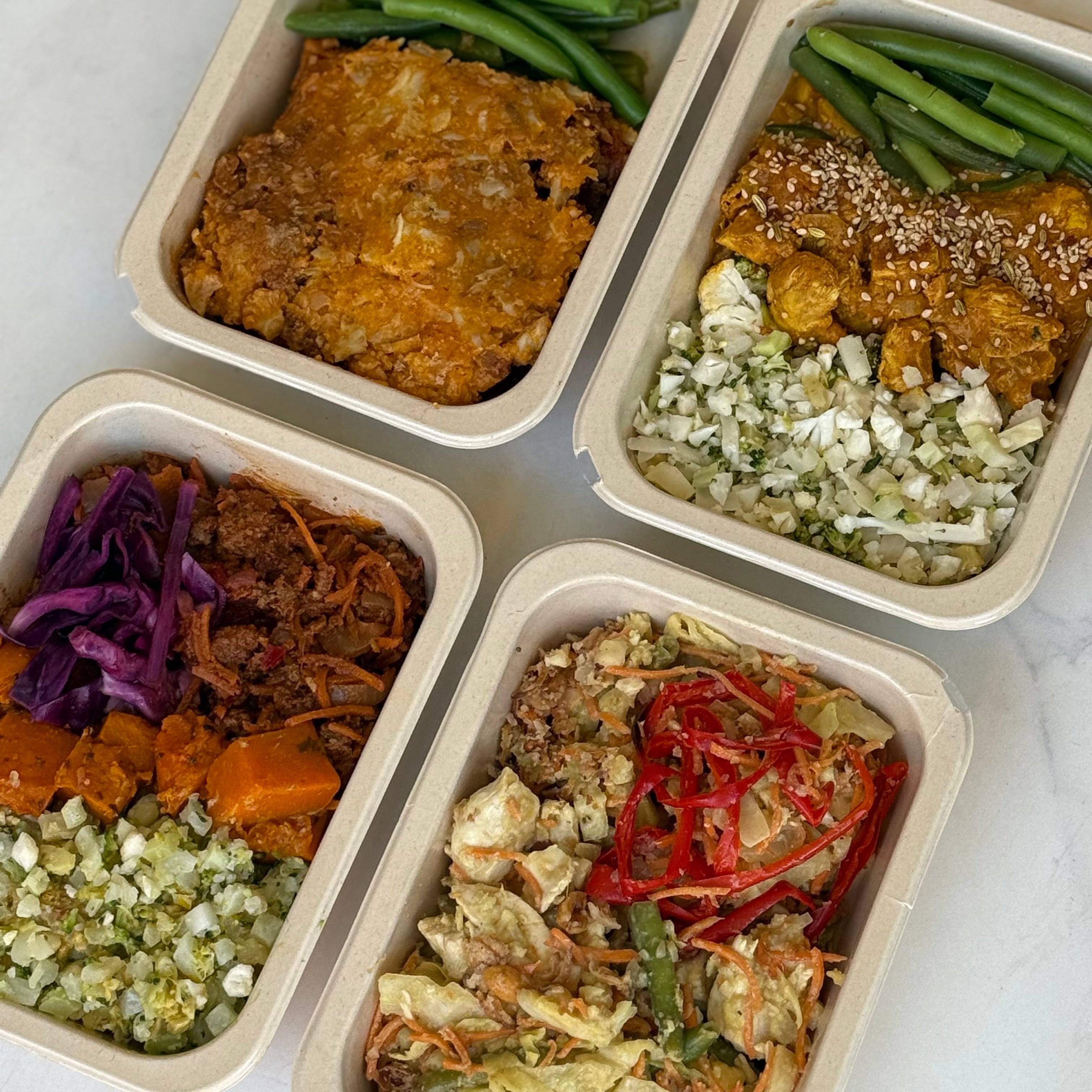
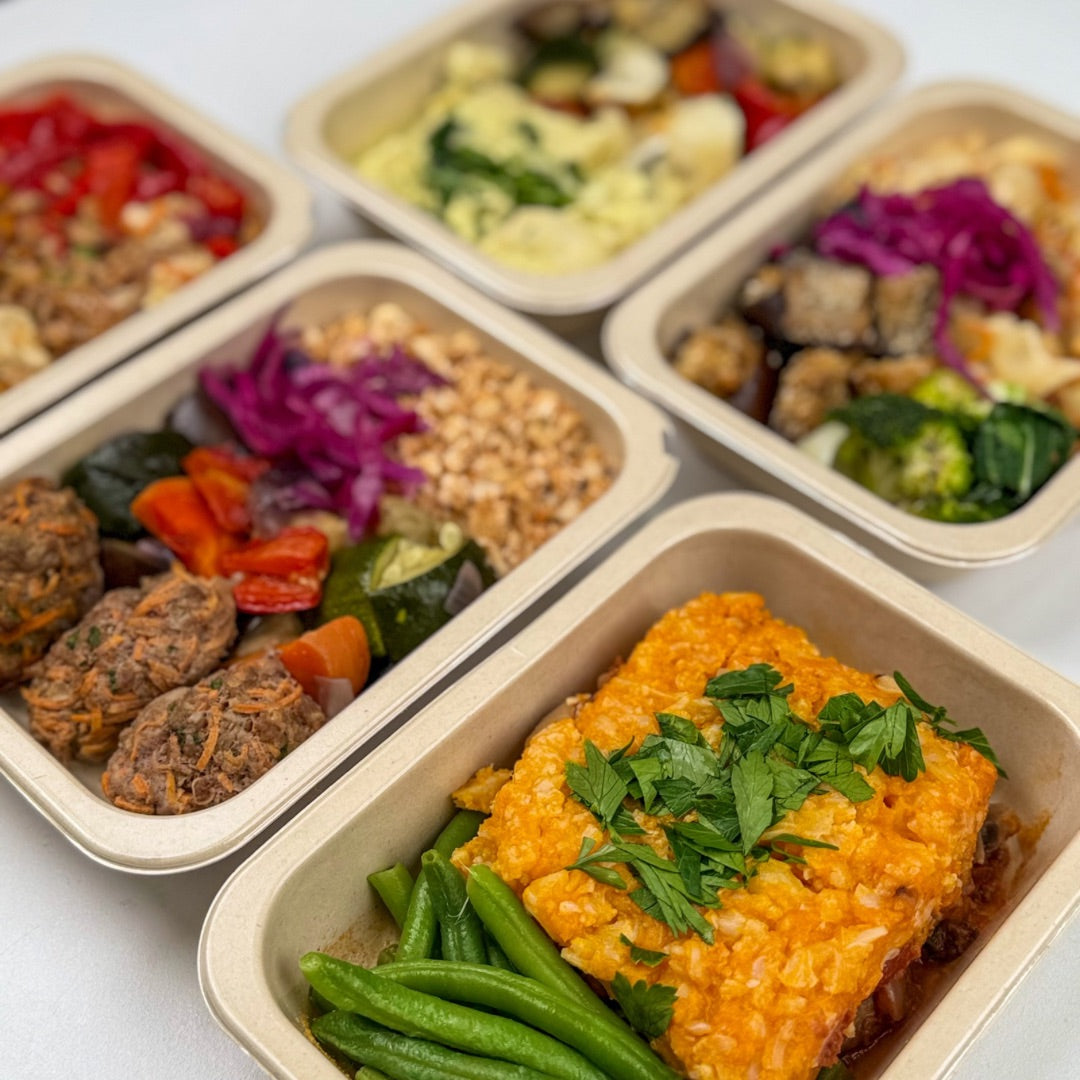
That is why every frozen meal, every bag of Good Bites and every pouch of OG Crunch is made with zero seed oils.
Our snacks and toppers ship Australia-wide from our Perth kitchen. $10 flat rate, free over $79.
How to cut back without stressing
Cook at home with olive or avocado oil. Extra virgin olive oil for most things, avocado oil when you want a higher heat sear.
Check the label on dressings, mayo and crackers. These are the sneaky ones. Look for "vegetable oil", "canola", "sunflower" or "soybean" near the top of the list.
Swap the packaged snack. Nuts, seeds, fruit, or a bag of Good Bites in the car.
Do not stress at restaurants. You cannot control everything, and one meal out is not the problem. It is what you do most days that counts.
Want a quick way to read labels in the supermarket? Grab our free Supermarket Swap Guide. It has my ten second label check and the swaps I actually make, aisle by aisle.
This article is general information, not personal medical advice. If you have a specific health condition, chat with your GP or a dietitian.